

Custom Small Electric Vehicles from Leading Factories: Explore Options Now
As someone who’s passionate about sustainable transportation, I can't help but share the incredible benefits of small electric vehicles tailored for factories. These vehicles not only offer eco-friendly solutions but also enhance operational efficiency in your workspace. Imagine your employees zipping around your facility in custom-built small electric vehicles, effortlessly transporting materials and improving productivity. I’ve seen firsthand how these vehicles can adapt to various factory layouts, making them a versatile choice for your business. Whether you need compact designs for tight spaces or particular features to meet your specific requirements, these small electric vehicles can be customized to fit perfectly into your operations. Investing in these vehicles isn't just a smart move for your company’s carbon footprint—it’s a strategic way to streamline logistics and create a more effective work environment. Let’s take the first step towards a greener future for your factory!
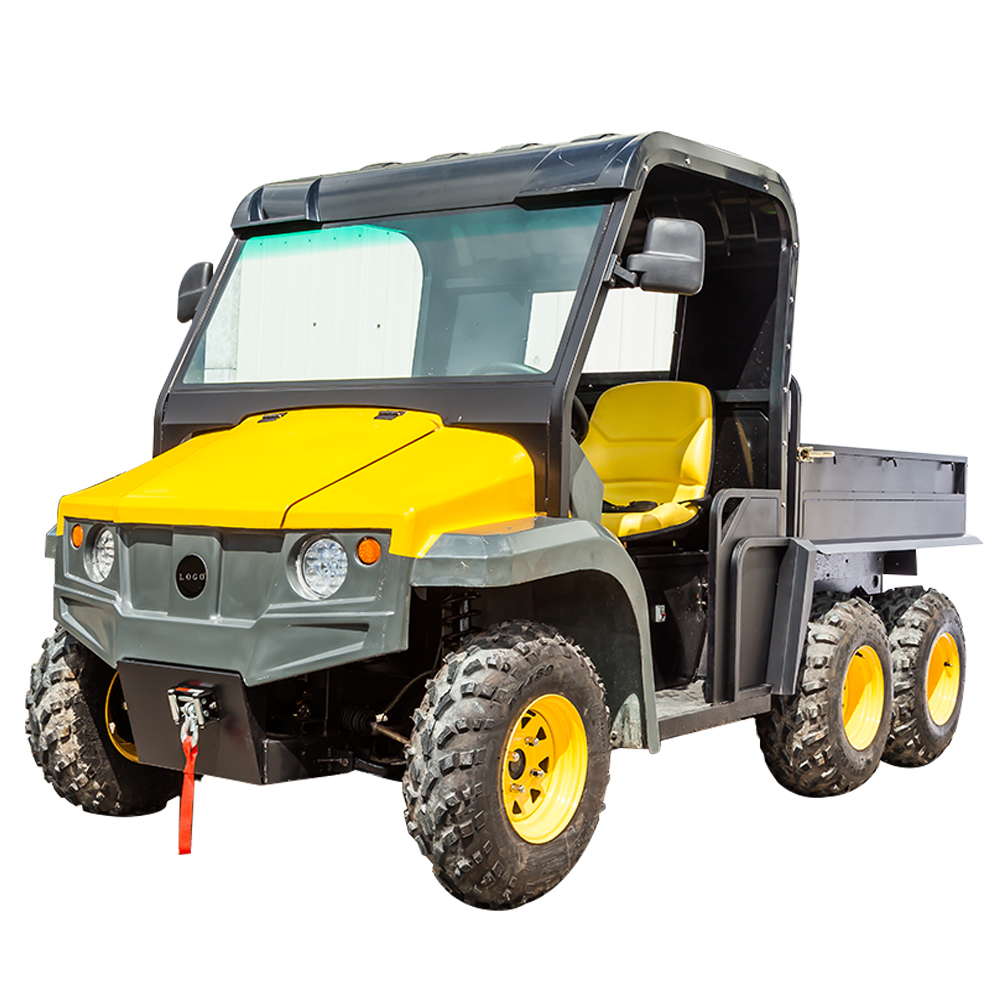
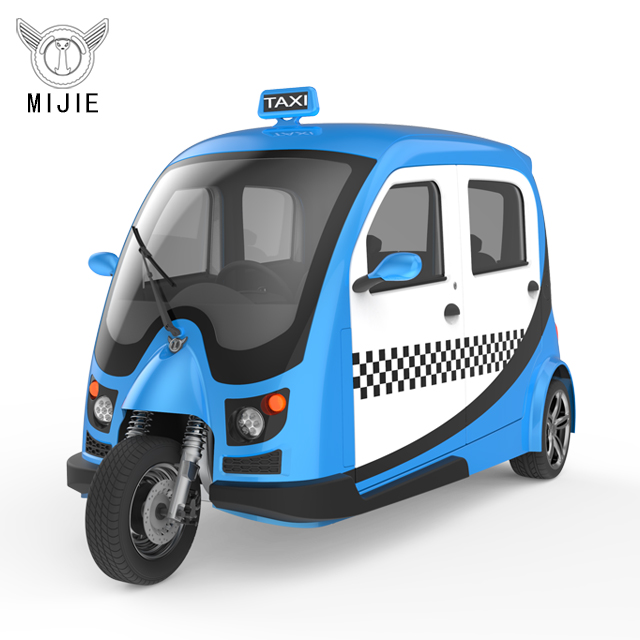
Small Electric Vehicles in 2025 Your Trusted OEM Partner
As we look towards 2025, the landscape for small electric vehicles (SEVs) is poised for significant transformation. With the global push for sustainable transportation and tighter emissions regulations, suppliers and manufacturers are under increasing pressure to innovate and provide greener alternatives. Small electric vehicles are at the forefront of this movement, combining efficiency, affordability, and environmental responsibility. Their compact size makes them ideal for urban settings, where space is limited and traffic congestion is a growing concern. This presents a unique opportunity for global procurement partners to invest in SEVs, streamlining their fleets and meeting the demands of eco-conscious consumers. Being a trusted OEM partner in this evolving market means committing to quality, adaptability, and advanced technology. Collaboration with reliable manufacturers ensures that procurement partners gain access to cutting-edge designs and features tailored to diverse consumer needs. By leveraging state-of-the-art production processes and sustainable materials, businesses can expect not just competitive pricing but also enhanced performance and durability from their electric vehicle offerings. Developing strong partnerships now will secure a foothold in a market that is rapidly expanding and diversifying, positioning companies for long-term success. As stakeholders in the automotive industry prepare to embrace this electric future, it’s crucial to align with partners who understand the intricacies of the market and the innovation required. By choosing a collaborative approach to manufacturing, businesses can stay ahead of the curve, ensuring they meet both current and future sales demands while contributing positively to a greener planet. As we move toward 2025, the potential for small electric vehicles in transforming urban mobility is immense, making it an exciting time for global procurement efforts.
Small Electric Vehicles in 2025: Your Trusted OEM Partner
| Vehicle Model | Battery Capacity (kWh) | Range (miles) | Charging Time (hours) | Seating Capacity |
|---|---|---|---|---|
| Urban E-Compact | 30 | 120 | 4 | 5 |
| City Cruiser | 35 | 150 | 5 | 4 |
| Eco Mini Van | 40 | 180 | 6 | 7 |
| Family E-SUV | 50 | 240 | 7 | 5 |
Related Products

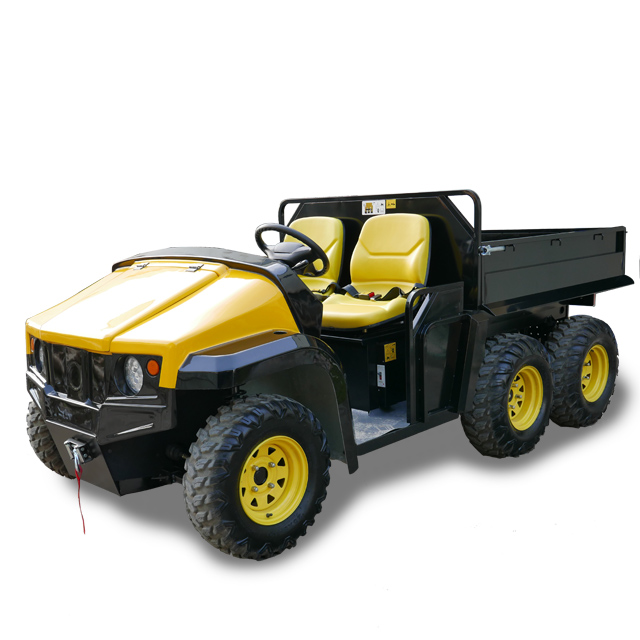
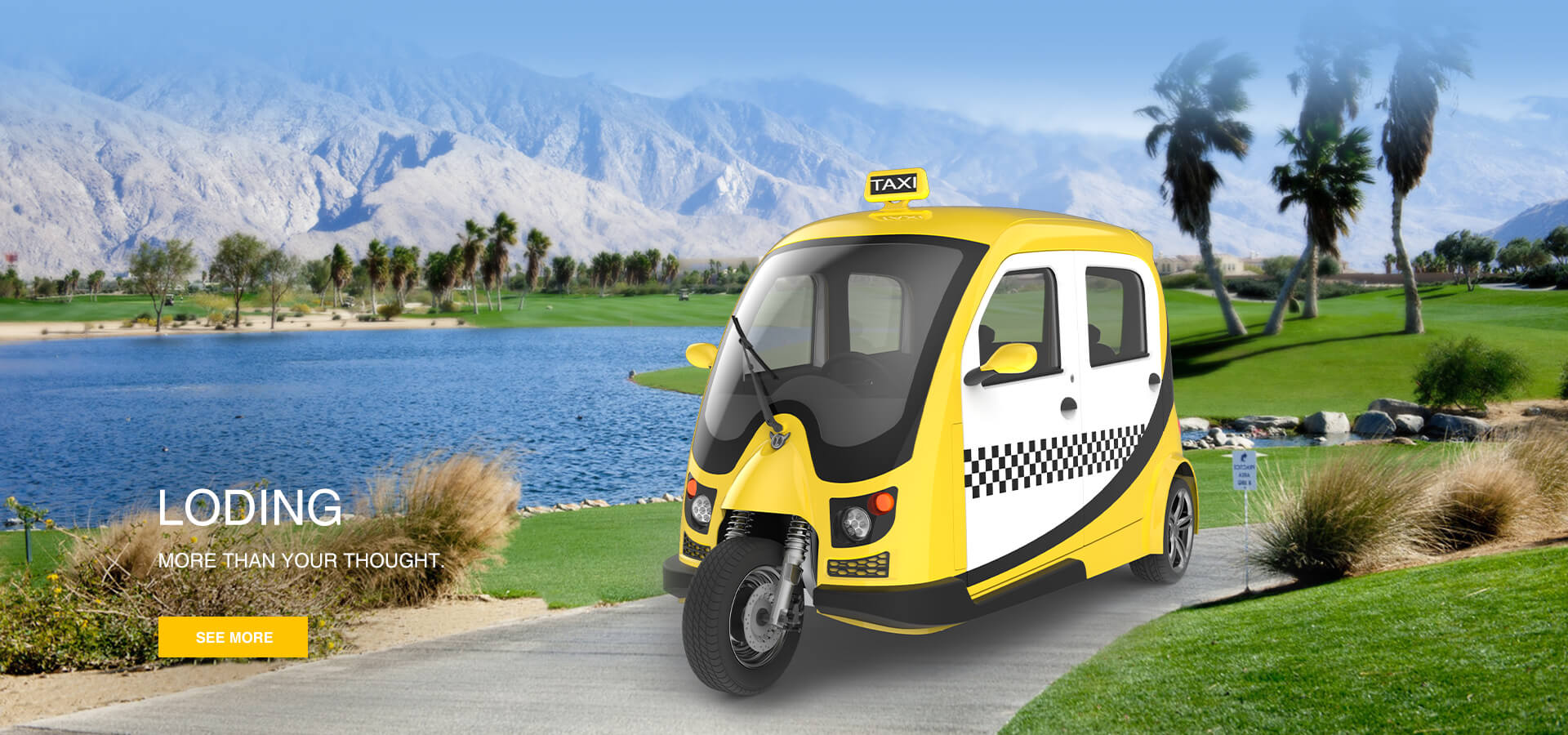
Small Electric Vehicles Application Delivers Unmatched Quality
Top Selling Products
- Related Blog
- Reviews
