

Wholesale Industrial Electric Utility Vehicles from Leading Manufacturers
When sourcing top-quality industrial electric utility vehicles, I know that reliability and performance are key. These vehicles offer incredible efficiency for a variety of applications, whether you’re in manufacturing, warehousing, or logistics. I’ve noticed how versatile they are, functioning seamlessly in indoor and outdoor environments. If you're a wholesale buyer or a manufacturer, you’ll appreciate the robust design and low maintenance these vehicles provide. They help reduce operational costs while being environmentally friendly—perfect for businesses aiming for sustainability. Easy to maneuver and equipped with advanced safety features, they ensure that your team can operate them with confidence. Plus, with options for customization, they can be tailored to fit your specific needs. Let’s elevate your operational efficiency together with reliable utility solutions that don’t compromise on power or performance.
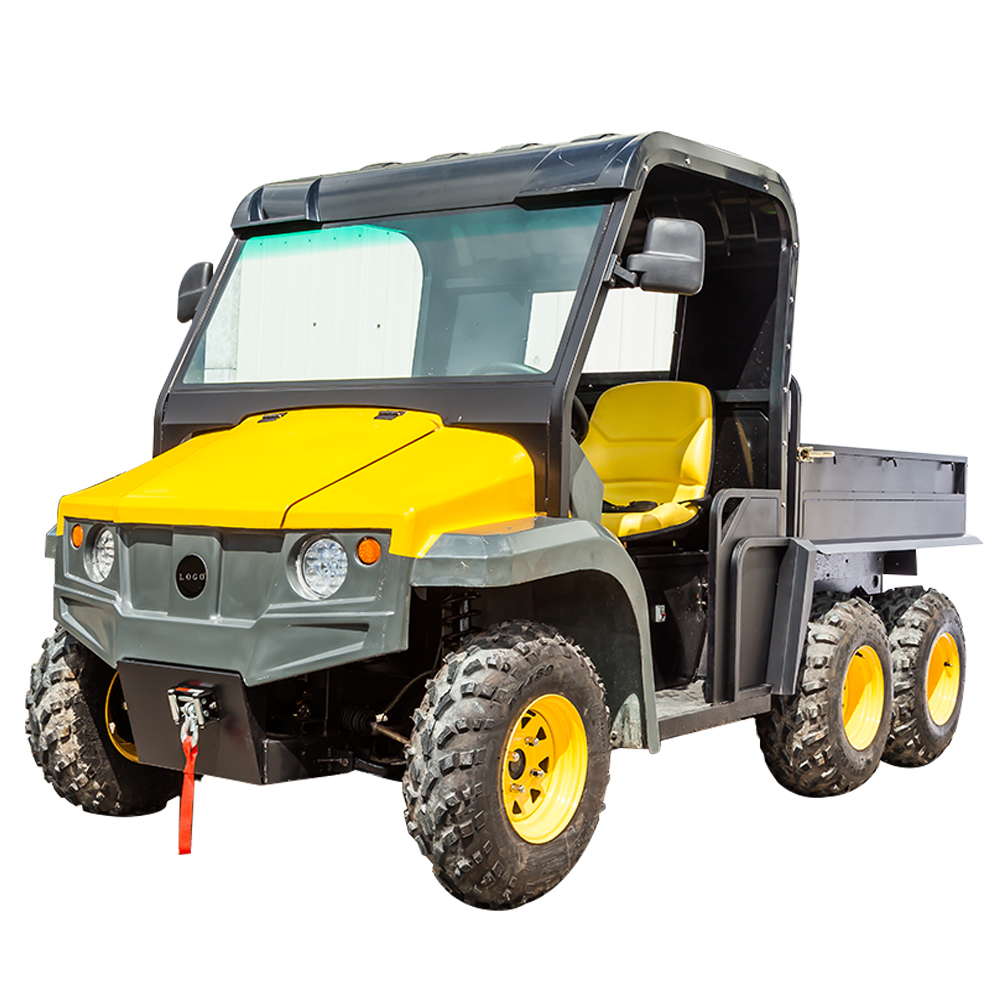
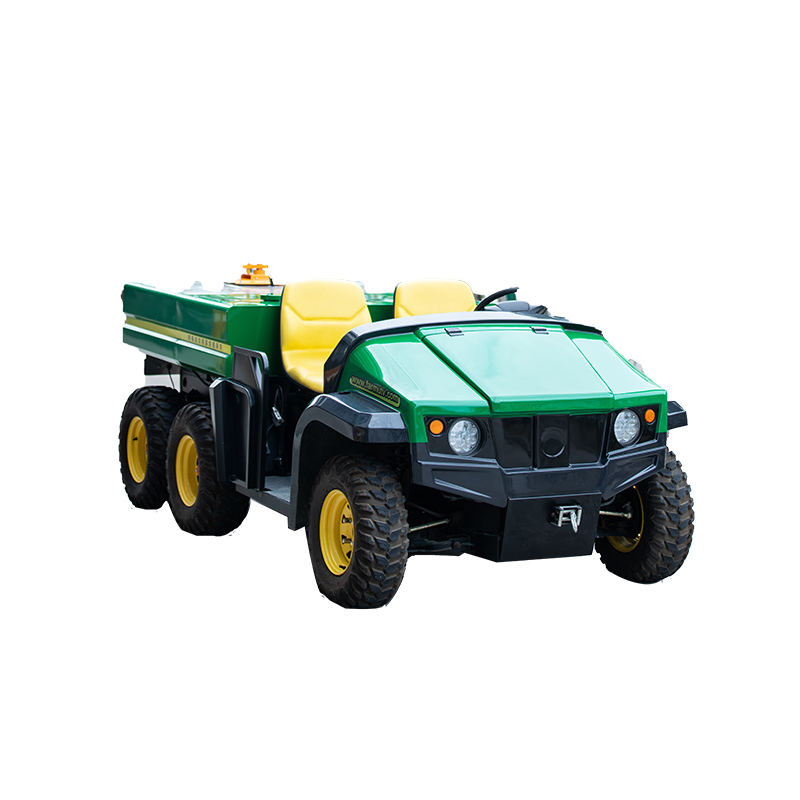
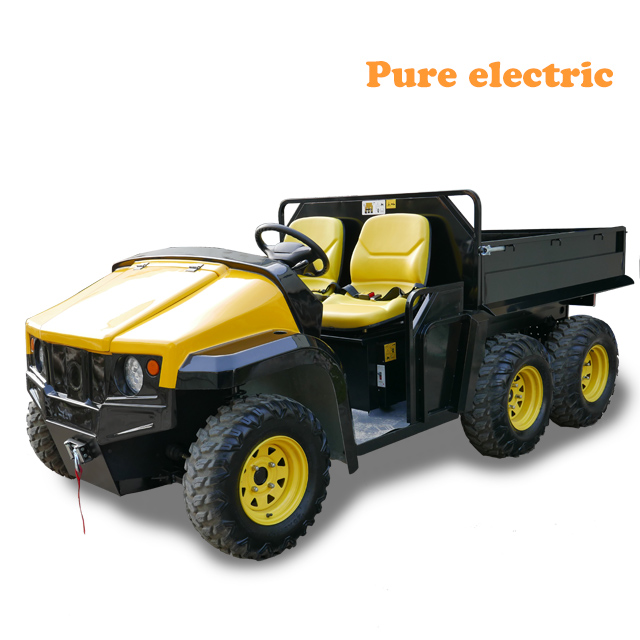
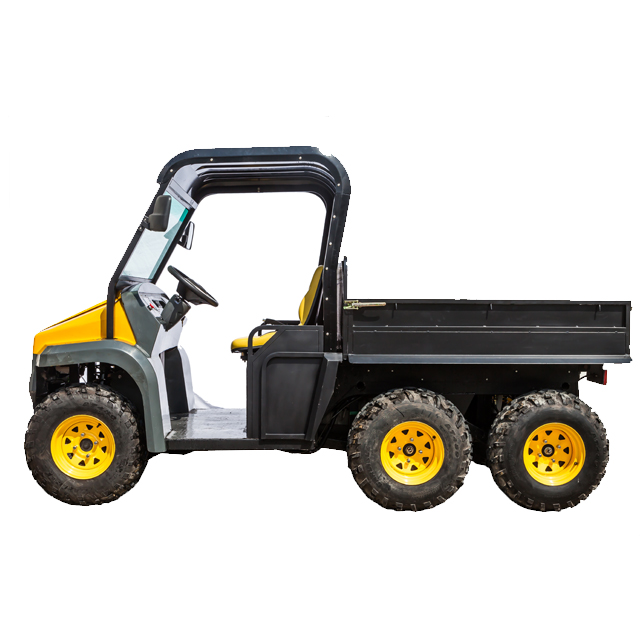
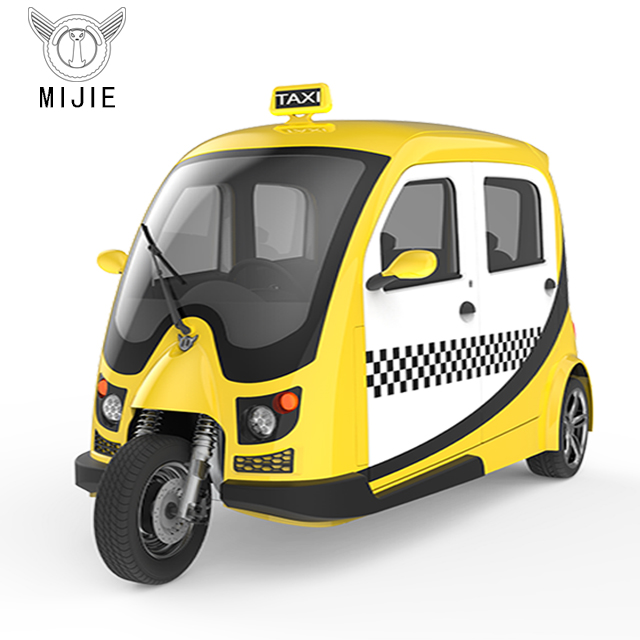
Industrial Electric Utility Vehicles Market Leader Now Trending
The industrial electric utility vehicles market is witnessing a significant surge, driven by increasing demand for sustainable and efficient transport solutions across various sectors. With industries worldwide focusing on reducing their carbon footprint and enhancing operational efficiency, electric utility vehicles have emerged as a viable alternative to traditional fuel-powered options. This trend is particularly crucial in sectors such as warehousing, manufacturing, and logistics, where these vehicles are being recognized for their reliability, lower operating costs, and minimal environmental impact. In addition to the economic advantages, the development of advanced technologies in electric vehicles has paved the way for improved performance and versatility. The integration of smart technologies and enhanced battery systems not only extends operational range but also offers solutions tailored to meet diverse industrial requirements. Procurement professionals are increasingly looking for vehicles that combine durability with innovative features, ensuring they select the best assets for their businesses. As global sourcing strategies evolve, it's essential for procurement managers to stay informed about market leaders and emerging technologies in the electric utility vehicle landscape. By investing in electric vehicles, businesses can not only contribute to environmental sustainability but also position themselves as forward-thinking entities committed to innovation and efficiency. Engaging with trusted manufacturers and understanding their product offerings will be key to making informed purchasing decisions that align with both operational needs and corporate responsibility efforts.
Industrial Electric Utility Vehicles Market Leader Now Trending
| Vehicle Type | Battery Type | Range (miles) | Load Capacity (lbs) | Average Price ($) |
|---|---|---|---|---|
| Utility Truck | Lithium-ion | 80 | 1500 | 35,000 |
| Electric Cart | Lead-acid | 50 | 800 | 15,000 |
| Tow Tractor | Lithium-ion | 60 | 2000 | 40,000 |
| Delivery Van | Lithium-ion | 100 | 1200 | 50,000 |
| Utility Vehicle | Lead-acid | 40 | 1000 | 10,000 |
Related Products
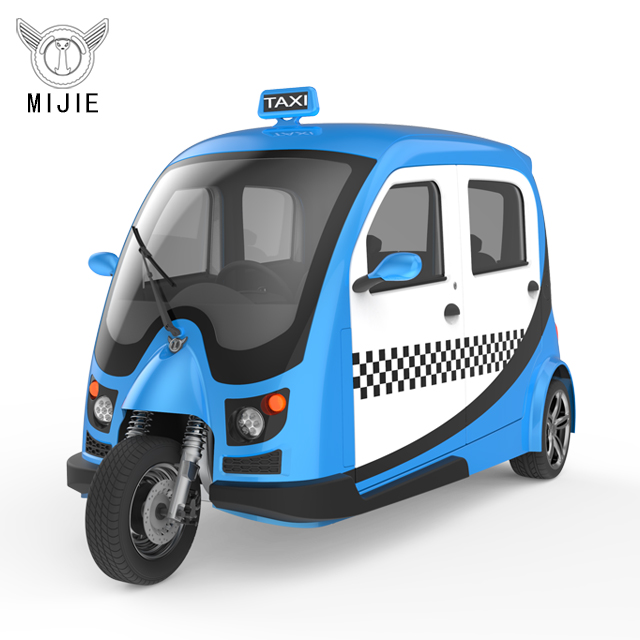
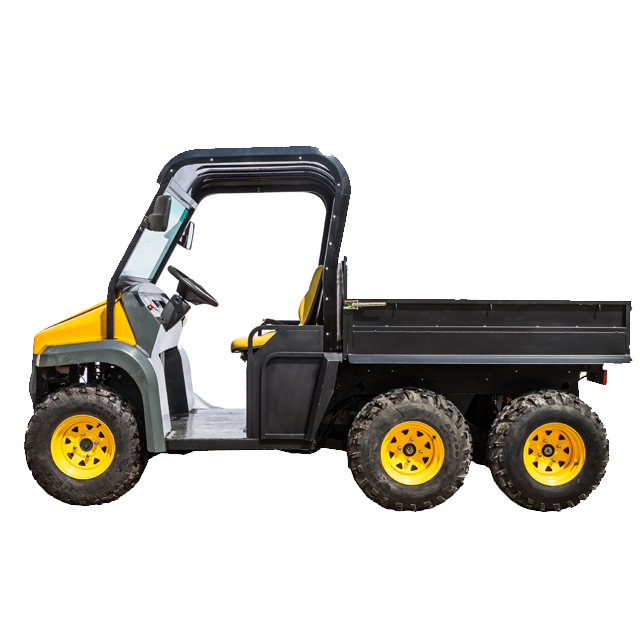

Industrial Electric Utility Vehicles Leads the Global Market Outperforms the Competition
Top Selling Products
- Related Blog
- Reviews
