

With technological advancements, particularly in electric UTVs (Utility Task Vehicles) and intelligent driving technologies, the user base of UTVs is experiencing significant changes. The advent of electric UTVs and intelligent driving technologies has introduced unprecedented convenience, safety, and sustainability. These factors not only satisfy the needs of existing users but also attract new user groups, thus expanding the breadth and depth of the UTV market.
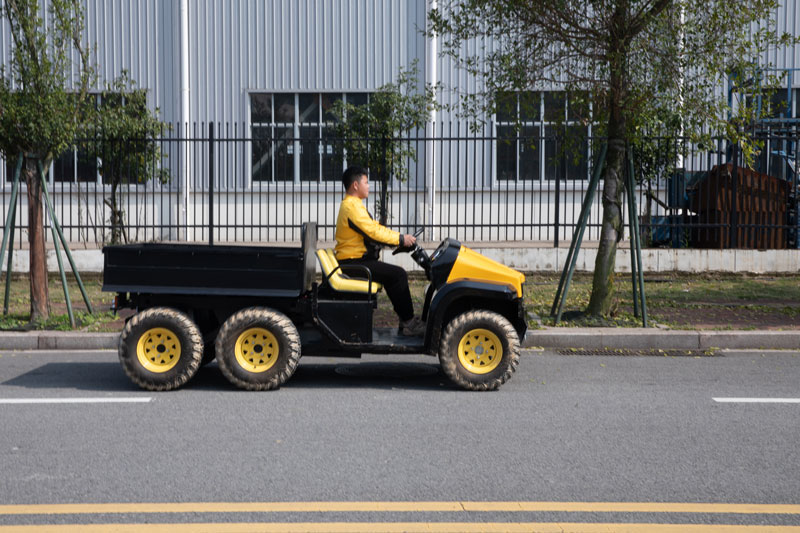
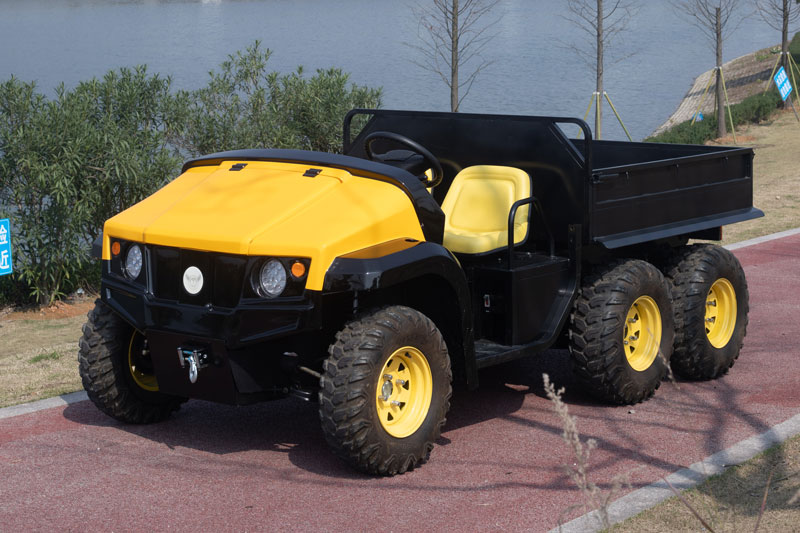
The introduction of electric UTVs has altered the traditional usage patterns of fuel-powered vehicles. Compared to internal combustion engine UTVs, electric UTVs are easier to operate and their zero-emission nature appeals to environmentally conscious users. Farmers, landscapers, and outdoor enthusiasts are increasingly recognizing the advantages of electric UTVs in terms of operational noise, maintenance costs, and energy consumption. Additionally, as technology progresses, the range and charging speed of electric UTVs have greatly improved, making them more practical in a wide range of scenarios.
The application of intelligent driving technology brings more possibilities to UTVs. Features such as autonomous driving, vehicle connectivity, remote monitoring, and intelligent navigation make UTV operations in complex terrains and variable environments safer and more efficient. This is particularly attractive to professional fields requiring high precision and reliability, such as mining, construction, and rescue services. Moreover, those with little driving experience can easily get started, thereby broadening the potential user base.
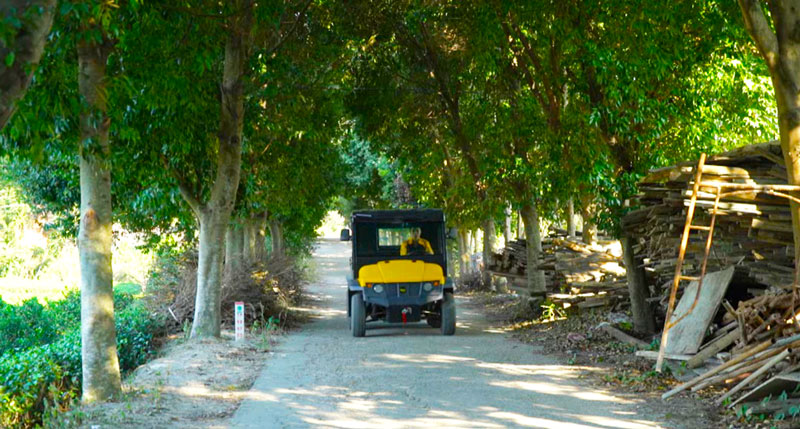
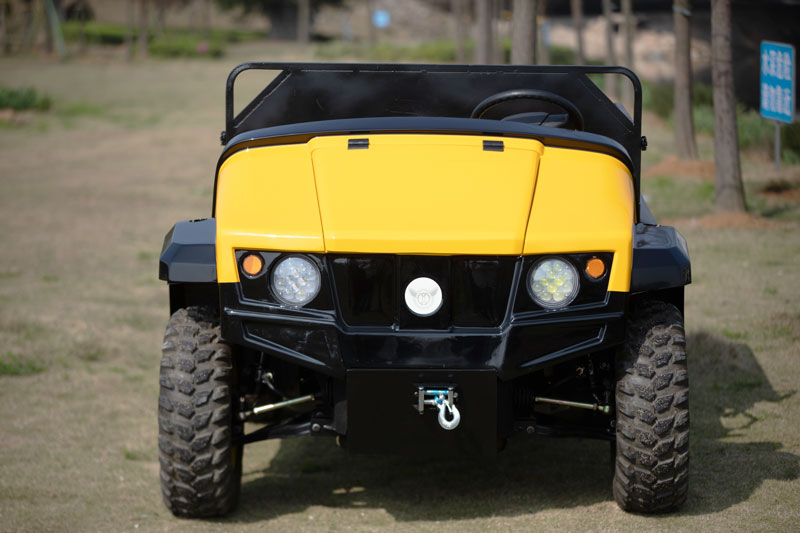
Driven by technology, UTVs are evolving towards becoming smarter, more eco-friendly, and safer, not only enhancing the satisfaction of existing users but also attracting many new users. This win-win situation expands the market prospects for UTVs, injecting new momentum into future development.
Post time: Aug-30-2024