

Utility Task Vehicles (UTVs) are highly versatile and mobile transportation tools that have been gradually blending with the tourism industry in recent years, ushering in a new tide of adventure. This combination not only offers new opportunities for the tourism industry but also significantly enhances the quality of visitor experiences.

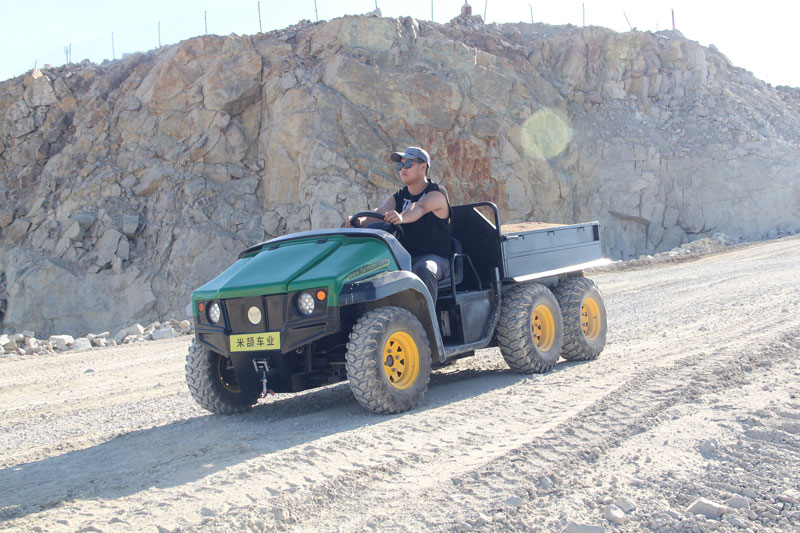
The application of UTVs in outdoor tourism and adventure activities greatly expands the range and depth of tourist experiences. Traditional forms of tourism are often limited by roads and infrastructure, making it difficult to access many natural landscapes and adventure routes. However, with their robust off-road capabilities and adaptability, UTVs can effortlessly venture into these rarely visited areas, allowing tourists to intimately experience the pristine beauty of nature. From deserts to snowfields, dense forests to high mountains, UTVs can guide tourists through various complex terrains, embarking on unprecedented adventurous journeys.
The multifunctionality of UTVs allows them to play a role in diverse tourism projects, enriching the forms and content of travel. Beyond sightseeing adventures, UTVs can be used for camping, fishing, hunting, photography, and more, offering a personalized and varied selection for all types of outdoor enthusiasts. For instance, in photography tourism, the stability and off-road performance of UTVs enable photographers to easily reach optimal shooting locations, capturing the most captivating moments of nature.
Moreover, the integration of UTVs with the tourism industry provides new development opportunities for local economies. In some underdeveloped regions, the introduction of UTV tourism projects can effectively attract tourists, boost the local tourism industry, and stimulate the growth of related sectors such as dining, lodging, and tour guide services. Additionally, the widespread use and application of UTVs promote technological advancements and industry upgrades, creating new market demands for engineering machinery manufacturing and maintenance services.
However, the smooth implementation of this integration faces several challenges. The first challenge is environmental protection; the use of UTVs could negatively impact some fragile ecological areas, necessitating strict protective measures and sustainable development plans. The second challenge is safety; due to the high-speed off-road nature of UTVs, improper operation or complex environments may easily lead to accidents, which means that industry practitioners must undergo professional training and safety facilities must be enhanced.
Looking ahead, the prospects for UTV applications in the tourism industry are broad. With continuous technological advancements and increasing market demand, UTVs will progressively develop towards greater intelligence, environmental friendliness, and safety. Through scientific planning and reasonable management, the integration of UTVs and the tourism industry is poised to usher us into a more exciting and diverse new era of adventure.
Post time: Aug-28-2024