

With the rapid advancement of technology, intelligent solutions have gradually permeated every corner of daily life, significantly elevating the driving experience. The UTV (Utility Task Vehicle), known for its versatility and comprehensive functionality, is witnessing a revolutionary leap in driving experience through the implementation of connected vehicle technology, automated driving assistance systems, and intelligent navigation features.
Connected vehicle technology seamlessly integrates UTVs with the Internet, enabling drivers to access real-time vehicle status, map information, weather forecasts, and various other data. Through this connectivity, UTVs can perform remote diagnostics and maintenance, greatly enhancing the reliability and lifespan of the vehicles. Additionally, connected vehicle technology allows multiple vehicles to interconnect, thereby achieving more efficient fleet management and more accurate navigation services.
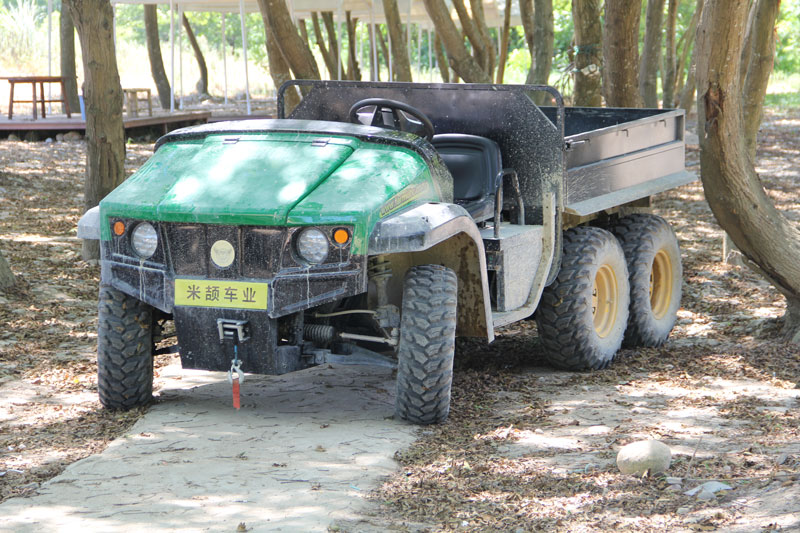
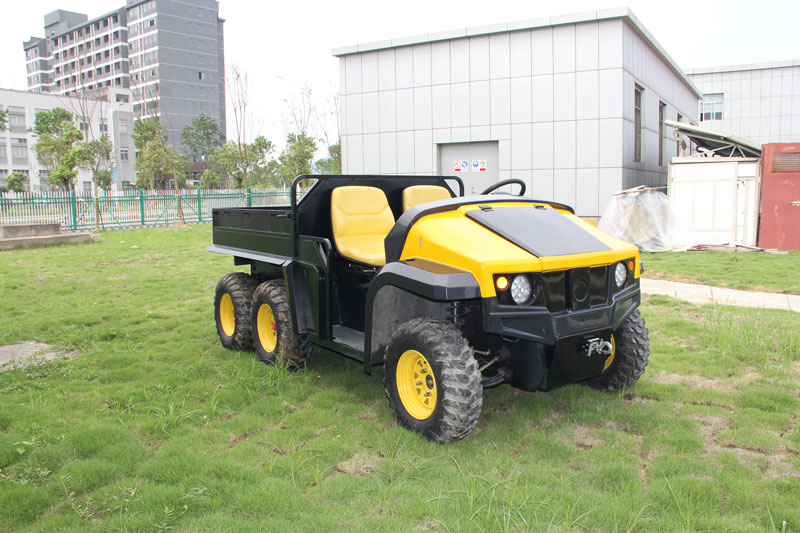
The automated driving assistance system is another critical technology that significantly enhances the driving experience. Utilizing cameras, radar, and ultrasonic sensors, the system collects and processes real-time road condition information. This helps drivers identify and handle unforeseen circumstances and provides a safer driving experience in complex traffic environments. For instance, Adaptive Cruise Control (ACC) can automatically adjust the speed to maintain a safe distance, while the Lane Keeping Assist (LKA) system subtly adjusts the steering wheel to keep the vehicle in the center of the lane.
Intelligent navigation is another standout feature of the smart technologies integrated into UTVs. Leveraging big data and artificial intelligence algorithms, intelligent navigation systems can offer optimized route choices based on real-time traffic conditions, road information, and user preferences. Compared to traditional navigation, intelligent navigation is more precise and smarter, effectively reducing driving time and fuel consumption. Furthermore, these systems can provide real-time updates on road conditions, alerting drivers to traffic accidents, congestion, and other sudden incidents, enabling timely route adjustments.
Big data plays a crucial role in the application of the aforementioned intelligent technologies. By analyzing and mining driving data, UTVs can better understand users' driving habits and needs, thus continuously optimizing and enhancing services. The application of big data not only improves driving comfort and convenience but also significantly enhances vehicle safety. For example, by analyzing historical data, the system can predict and alert potential risks, thereby reducing the occurrence of traffic accidents.
In summary, the application of intelligent technologies in UTVs greatly enhances the driving experience, making driving smarter and more convenient while significantly improving safety. The continuous development and refinement of these intelligent technologies will undoubtedly drive future transportation toward greater efficiency, safety, and intelligence.
Post time: Aug-29-2024