

Navigating challenging landscapes demands more than just a robust machine—it calls for skill, technique, and a solid understanding of your vehicle's capabilities. As electric Utility Task Vehicles (UTVs) rise in popularity for their environmentally friendly attributes, mastering their operation on extreme terrain becomes crucial.

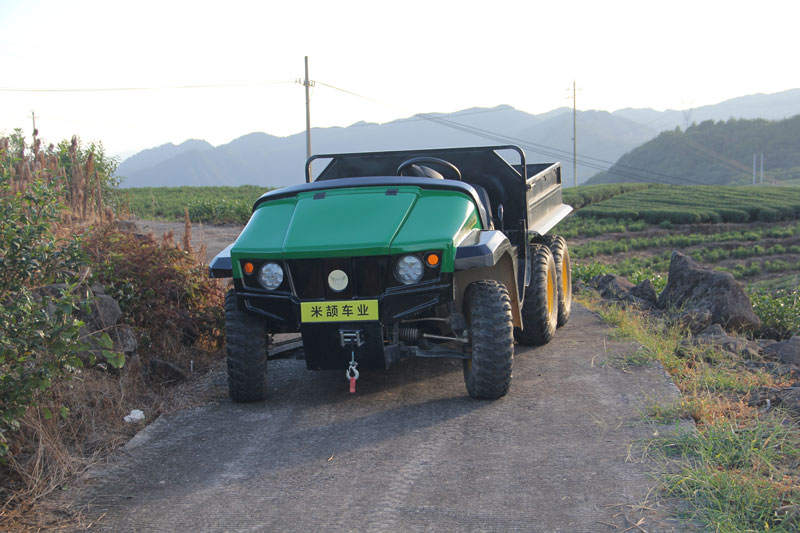
Firstly, understanding the unique torque delivery of electric UTVs is vital. Electric motors provide instant torque, which can be advantageous for climbing steep inclines. However, this requires precise throttle control to avoid sudden surges that could jeopardize stability. Gradual increases in power prevent wheel spin and ensure better traction on loose or slippery surfaces.
Battery management is another critical factor. Extreme terrains often mean longer, more strenuous drives, which can rapidly deplete battery levels. Pre-planning your route to include charging points maximizes uptime. Additionally, use regenerative braking downhill to conserve energy and extend your range.
Tire selection significantly impacts performance on varied terrains. Opt for tires with deeper treads for muddy conditions or rock-specific designs for rugged, rocky areas. Proper tire pressure maintenance also plays a role in ensuring optimal grip and preventing punctures.
Lastly, leveraging the advanced features of modern UTVs can enhance control. Many electric UTVs come equipped with selectable drive modes and adjustable suspension systems. Utilize these to adapt to specific conditions—such as shifting to low gear for crawls or enhancing ground clearance in rocky environments.
In essence, successful navigation of extreme terrain with electric UTVs hinges on understanding your vehicle’s strengths, carefully planning energy use, and adapting features to suit the environment. With the right approach, electric UTVs can conquer even the harshest landscapes.
Post time: Aug-08-2024