

Introduction
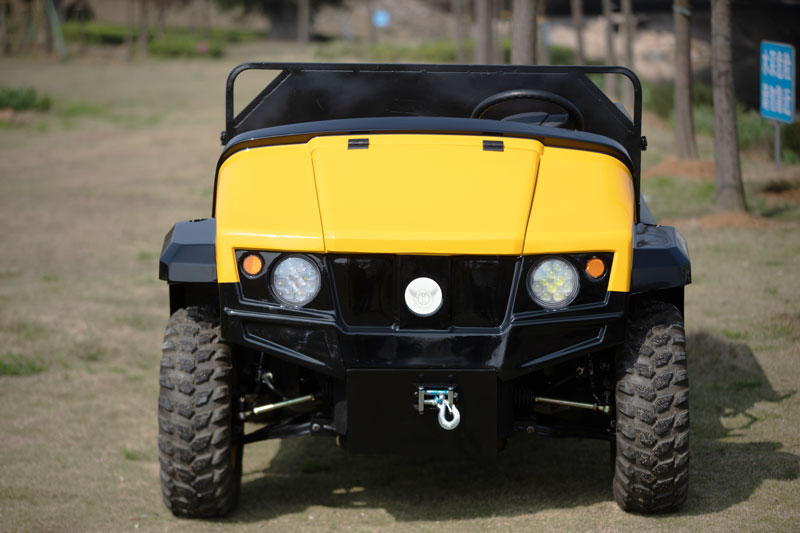
Electric Utility Terrain Vehicles (UTVs) have seen rapid growth in popularity for their eco-friendly attributes and operational convenience. They are widely used in agriculture, construction, and recreational activities. This article aims to analyze the market share of electric UTVs and understand consumer preferences that drive this segment.

Market Share Analysis
1. Overall Market Growth
The UTV market has been expanding steadily, with electric variants showing higher growth rates compared to their gasoline counterparts. This trend is attributed to increasing environmental awareness and stringent emission regulations driving the shift towards electric vehicles. According to industry reports, the global UTV market is projected to grow at a Compound Annual Growth Rate (CAGR) of around 6-7% from 2023 to 2030, with electric UTVs capturing a significant share of this growth.
2. Regional Distribution
The market share of electric UTVs varies across different regions. North America holds the largest share, driven by substantial demand in agriculture and recreational sectors. Europe follows, bolstered by rigorous emission standards and a strong inclination towards sustainable energy solutions. Asia-Pacific is emerging as a lucrative market due to rapid industrialization and increasing disposable incomes, particularly in markets like China and India.
3. Key Players
Leading manufacturers in the electric UTV market include Polaris, Textron Off Road, and John Deere. These companies have been investing heavily in R&D to develop efficient, reliable, and cost-effective electric UTVs. Innovative features such as advanced battery technologies, superior torque, and autonomous driving capabilities are contributing to the enhanced market share of these key players.
Consumer Preferences Analysis
1. Environmental Impact
A significant factor influencing consumer preference is the reduced environmental impact of electric UTVs. As societies become more environmentally conscious, the demand for vehicles with lower carbon footprints has surged. Electric UTVs, with zero emissions during operation, align well with this global movement towards sustainability.
2. Operational Costs
Lower operational costs are another major driver behind the increasing consumer inclination towards electric UTVs. Unlike gasoline-powered UTVs, electric models have fewer moving parts, thereby reducing maintenance costs. Additionally, the cost of electricity is generally lower compared to gasoline, making electric UTVs more economical in the long run.
3. Performance and Features
Consumers today are looking for UTVs that provide superior performance and advanced features. Electric UTVs are often preferred for their quiet operation, instant torque, and smooth acceleration. Moreover, features such as regenerative braking, smart connectivity, and advanced safety systems are highly appealing to tech-savvy consumers.
4. Versatility and Use-Cases
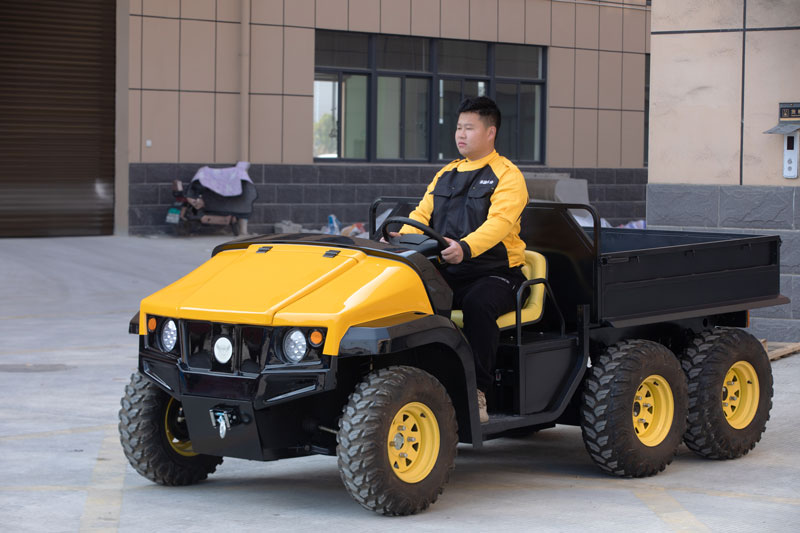
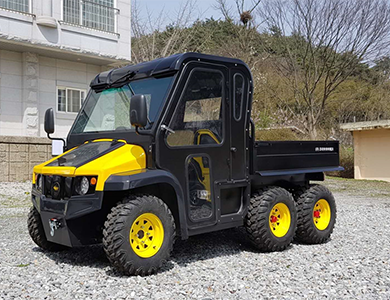
The versatility of electric UTVs is a crucial factor in consumer preference. These vehicles are employed in various applications, from agricultural tasks and industrial operations to recreational activities like hunting and off-roading. Their adaptability to different use cases makes them a valuable asset for a wide range of consumers.
Conclusion
The market share of electric UTVs is on a promising trajectory, driven by increasing environmental awareness, economic factors, and advancements in technology. Key regions like North America, Europe, and Asia-Pacific are witnessing significant demand growth. Understanding consumer preferences—such as the emphasis on reduced environmental impact, lower operational costs, superior performance, and versatile use-cases—provides valuable insights for manufacturers aiming to capture larger market shares. As technology continues to advance and regulatory landscapes evolve, the future of the electric UTV market appears bright and full of potential.
Post time: Aug-06-2024